In 2025, we have seen that digital marketing is becoming more competitive than ever before.
With the rise of technology, the digital world is getting noisier every day. Social media feeds are chaotic, ads are getting more expensive, and AI is churning out so much content it’s hard to keep up.
But here we are in 2026, and the humble inbox is still standing strong. In fact, it’s not just standing; it’s thriving.
Also, around these, we all still have a question in mind, whether these old school techniques are still effective in this digital era.
In the surroundings of these digital noises, email still feels like a preserved channel. It’s personal. It’s direct. And for businesses, it feels like the most powerful tool you have.
If you’ve been wondering about the real importance of email marketing this year, or if you’re just looking for a better way to connect with your audience, you’re in the right place. Let’s dive into why the inbox channel is still the best place to be marketed.
Also Read: What Is SEO and How Does It Work? (Beginner’s Guide)
Table of Contents
1. The ROI That’s Hard to Beat

Let’s talk in money terms, but I promise to keep it simple. If you run a business, you care about Return on Investment (ROI). Basically, if you put a rupee in, how much do you get back from that?
For most years, email marketing has been ruling the ROI system, and 2026 is no different. While paid ads on Google or Instagram can drain your budget pretty fast, email is incredibly affordable.
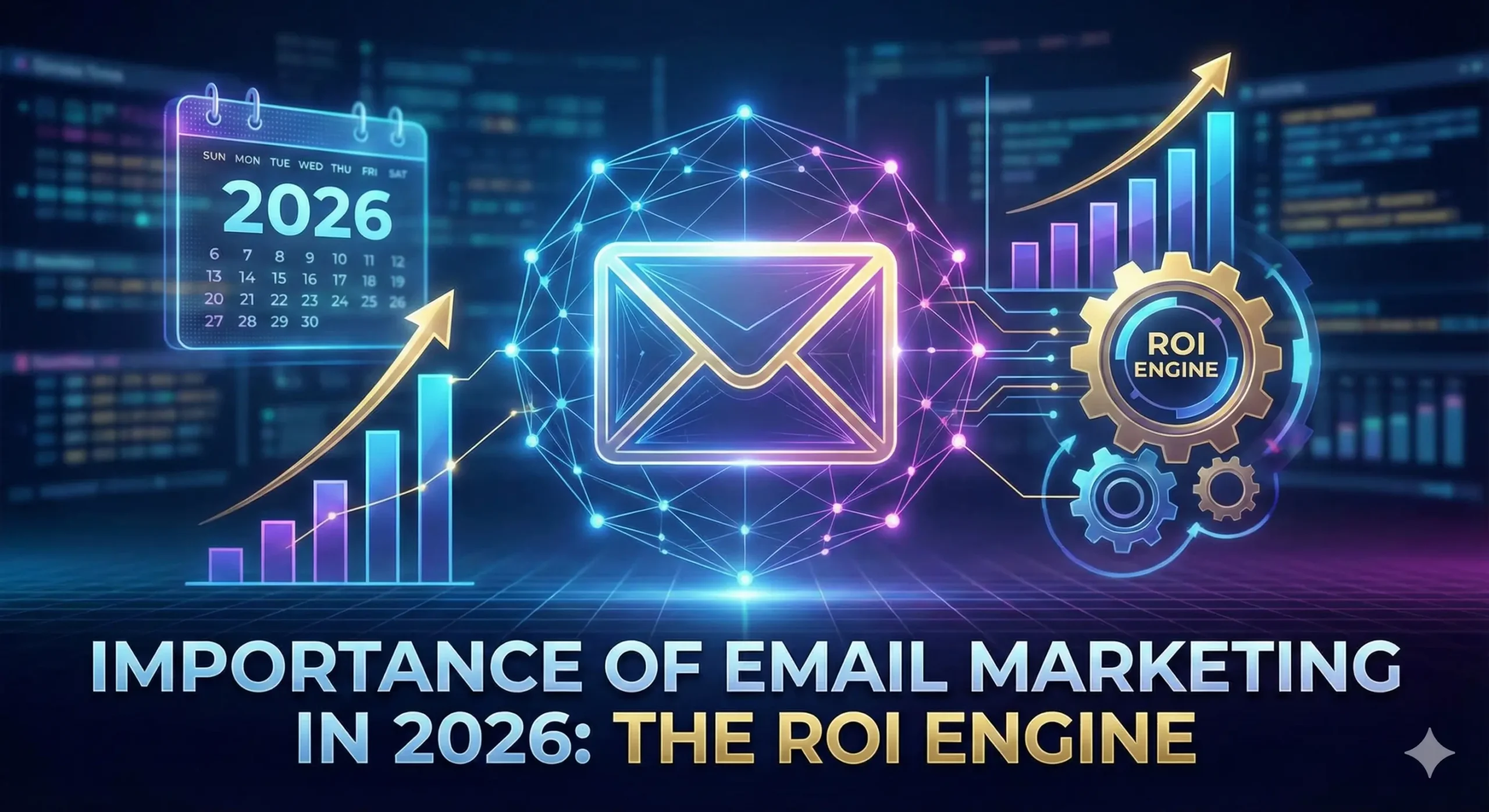
The latest stats in the industry show that for every money you spend on email marketing, you can expect to see about 42 times back. That is huge! You all may say, Why is it so effective? Because people actually want to hear from you. Unlike a social media platform’s ad that interrupts their scrolling, an email is something they signed up for. They raised their hand and said, “Yes, tell me more.” That little bit of permission makes all the difference.
2. Why You Need to “Own” Your Audience
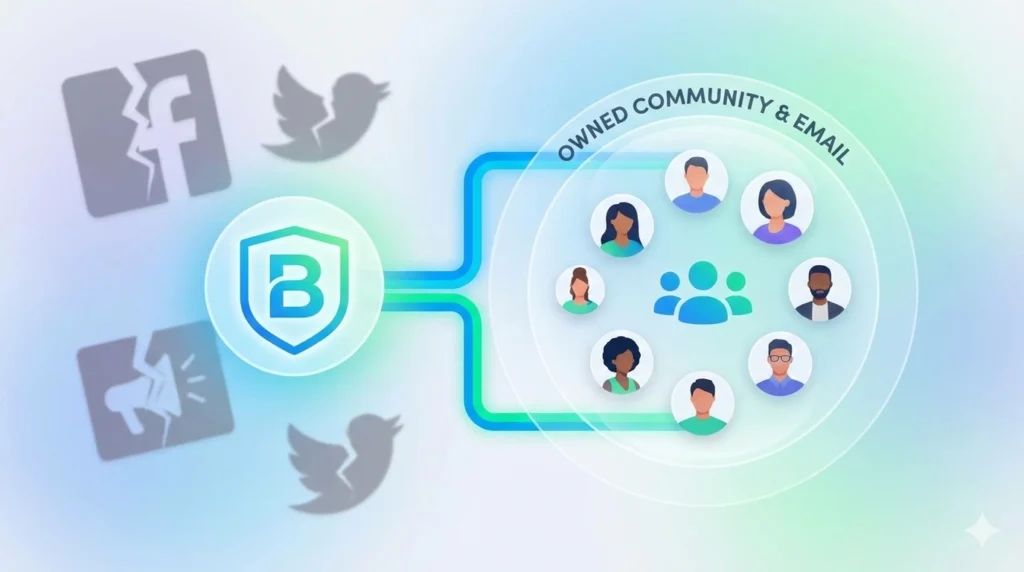
Think about your social media profile; you have followers. It’s just like you have built on rented land, which has no idea when it’s gone. We’ve all seen it happen when creators with millions of followers suddenly get their reach cut in half overnight because of an update.
This is where the true value of email marketing shines. Your email list is yours. It’s an asset you own.
If a social platform goes down tomorrow or changes its rules, nobody can take your list away from you. You still have a direct line to your favorite customers. In a world where digital platforms are always changing, having a solid email marketing strategy is like having a safety net for your business.
3. Personalization: It’s More Than Just a Name
Remember when, a few years ago, getting an email with your first name in the subject line felt special? Well, times have changed!
Today, email marketing is so much smarter, thanks to the help of AI. But don’t worry, it doesn’t have to feel like machine language. It actually helps you be more human. Instead of blasting the same generic language to everyone, AI enables you to figure out what people actually like.
Imagine a customer has been looking at winter coats on your website. A smart email marketing system can send them a helpful note about those specific coats—maybe with a styling tip or a small discount—right when they are most likely to check their phone. It’s helpful. It shows you’re paying attention to what they need and searching for.
4. The End of Third-Party Cookies
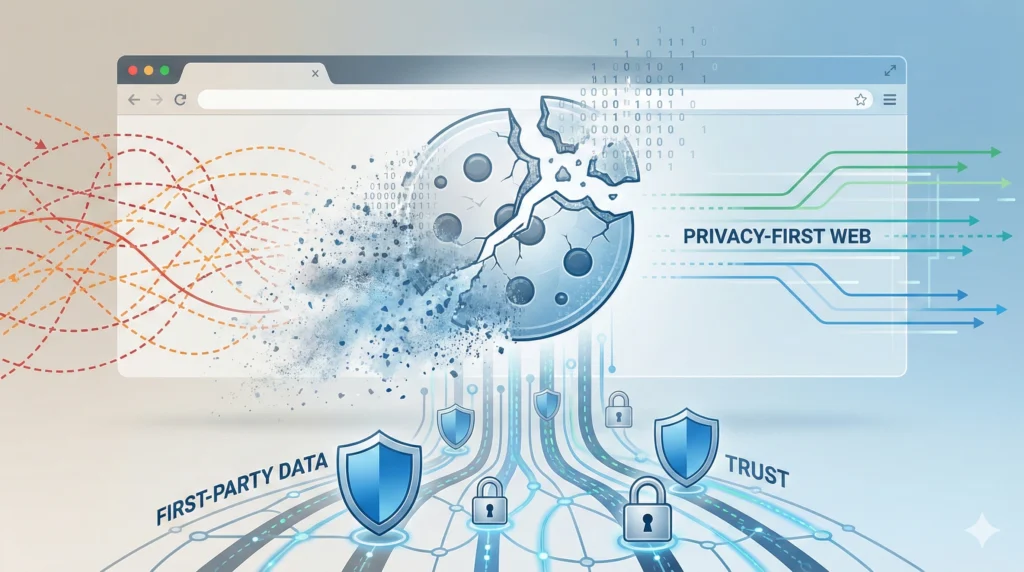
You’ve probably heard about the “death of cookies” and how privacy laws are getting stricter. It’s harder than ever to track users around the internet, and honestly, that’s probably a good thing for privacy.
But this makes email marketing even more valuable. Why? Because email helps you collect what we call “zero-party data.” This is just another way of saying “information customers give you by their choice”.
You can use your emails to ask simple questions like, “Do you prefer a red coat or white?” or “Are you shopping for yourself or a gift?” When people answer these within your email marketing flows, they are telling you exactly how to sell to them. No spying required—just a good conversation
5. Website Inside the Inbox
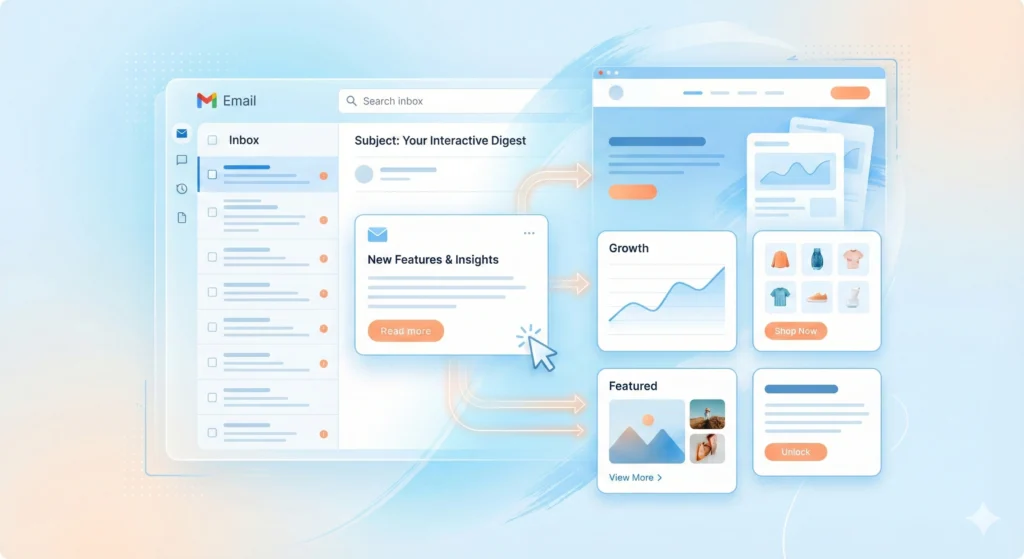
One of the working shifts I’ve seen lately is how interactive emails have become. It used to be that an email was just text and a link. You had to click the link, wait for a website to load, and then hope you didn’t get distracted.
Now, with modern tech, email marketing allows people to do things right inside the message. They can book an appointment, take a survey, or even swipe through a product catalog without ever leaving their inbox.
It removes the disturbance. The easier you make it for people to engage, the more likely they are to buy. It’s like bringing the store directly to their front door.
For Best Digital Marketing Services Contact: BoostHiveDigital
6. Retaining the Customers You Have
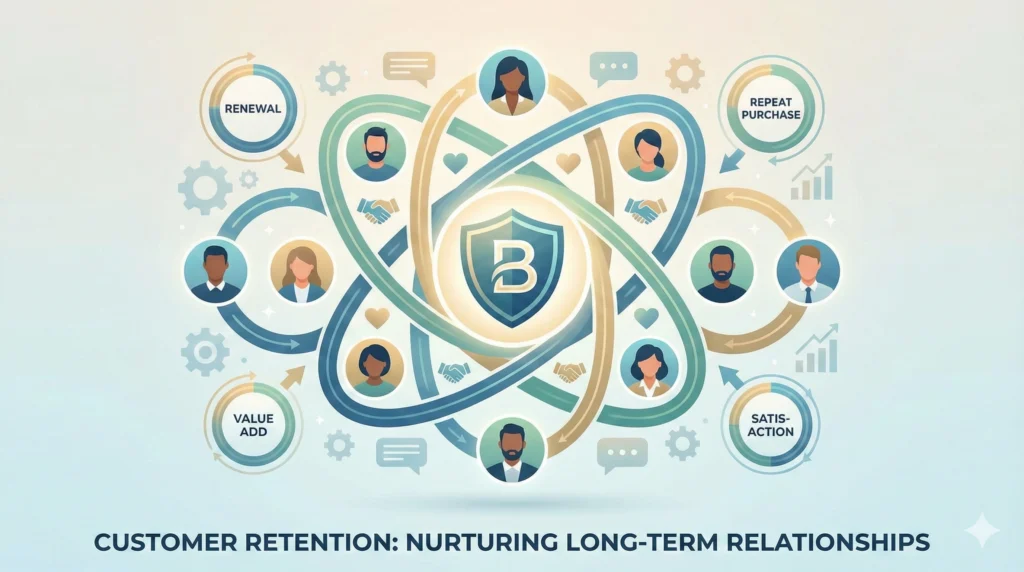
There’s a golden rule of business: It is way cheaper to keep an existing customer than to go out and find a new one.
Where social media is great for introducing people to your brand, email marketing is where the relationship really happens. It’s how you turn a one-time buyer into a repeating customer.
Think about it. If you send a “Thank You” note after a purchase, or a helpful guide on how to use the product, or special “discount offers” they just bought, you’re building trust and giving them a chance to back you. Even a simple automated email reminding them to restock their favorite product feels like a helpful alarm from a friend. That’s the power of good email marketing—it keeps people coming back.
7. Mobile-First is Now Mobile-Only
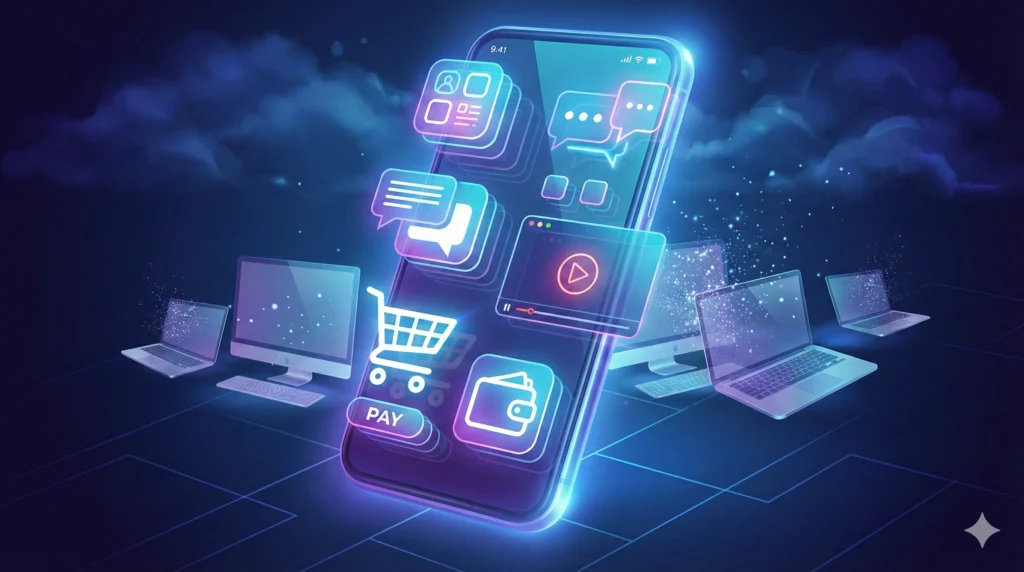
In early times, we used to design emails for desktop and check them on mobile. In 2026, that workflow is reversed. With over 65% of all emails being opened on mobile devices, the user experience (UX) of your email is very important.
If your email marketing templates are not responsive, or if they don’t adapt correctly in Dark Mode (which most users now prefer), you will be deleted in seconds. The visual importance of email marketing is now of thumb scrolling behavior. Content must be reachable, buttons must be large enough to tap easily, and load times must be under a second. An old template design email isn’t just a design failure; it’s a failure of expectations of customers.
8. B2B or B2C: It Works for Both
I’ve worked with all kinds of businesses over the last years, from clothing brands to software companies. The one thing they have in common is How Email marketing works for both of them.
- If you sell to consumers (B2C), it’s about emotion, attractive photos, and quick deals.
- If you sell to businesses (B2B), it’s about building authority, sharing case studies, and solving problems.
The strategy might change, but the channel of marketing is the same. No other channel gives you the flexibility to change your tone and style as email does.
9. Automation: The 24/7 Sales Partner
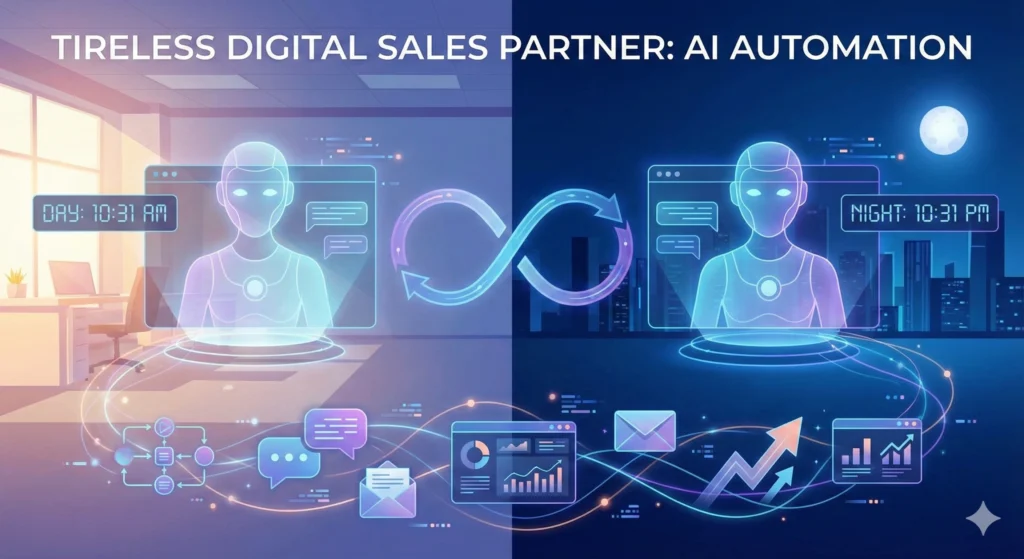
The greatest advantage of email marketing is automation. Imagine having a sales partner who works 24 hours a day, never sleeps, and never asks for compensation. That’s automation.
Once you build an automation flow, it works for you 24/7.
While you sleep, your email marketing software is welcoming new subscribers, helping to make sales, and wishing customers a happy birthday or giving festive celebrations. This automation allows businesses to work on other concerns. It scales your time and effort in a way that manual other channels wont’t able to give.
For AI Related Content Visit: Topartifact
10. Work Nicely with Other Channels
Remember, depending solely on this channel won’t enable you to achieve your standard targets. It works best when it plays nice with your other marketing channels.
You can use data insights from your email marketing data to run better Google and Facebook ads. You can use SMS (text messages) for urgent alerts and email for longer stories. When all your channels work together, your business grows faster.
Frequently Asked Questions (FAQ)
Q1: Is email marketing actually dead in 2026? A: Not even close! While we use apps like Slack for work chat, email marketing is still the #1 way brands drive sales. Think about it: you need an email address to sign up for almost anything online. It’s the core of our digital identity.
Q2: How often should I send emails? A: There is no magic number, but try to be consistent. Whether it’s once a week or once a month, just show up when you say you will. In 2026, it’s better to send fewer, higher-quality emails than to spam people every day.
Q3: Do I really need AI for this? A: You don’t need it, but it helps a lot! AI tools in email marketing can help you write subject lines, pick the best time to send, and personalize content. It saves you time and usually gets better results.
Q4: What’s the biggest mistake people make? A: Buying email lists. Please, never do this! It’s the fastest way to get marked as spam. Good email marketing is about growing your list organically with people who actually want to hear from you.
Q5: How do I stay out of the Spam folder? A: Keep your list clean! If people aren’t opening your emails for months, it’s okay to remove them. Also, make sure your tech setup (like DNS records) is correct. It sounds boring, but it matters.
Final Thoughts
The world is noisy in digital era, but the old inbox technique is isolate noise. When someone gives you their email address, they are trusting you with their attention. That is a privilege.
If you treat your customers like friends and not just numbers, email marketing will be the best investment you make this year. So, don’t overcomplicate it. Start writing, be helpful, and watch your business grow.